What Happens If You Swallow a ZYN?

Introduction – What happens if you swallow a ZYN

If you’ve ever tried nicotine pouches UK and found yourself wondering “what happens if you swallow a ZYN?”—you’re not alone. With the fast rise of tobacco-free nicotine products, users are asking new questions about how to use them safely and effectively. In fact, according to the CDC’s MMWR report the most popular brand among users was ZYN (68.7%), followed by On! (14.2%), Rogue (13.6%), Velo (10.7%), and Juice Head ZTN (9.8%).

One of the most common concerns revolves around saliva: should you spit or swallow while using ZYN? And more importantly—what if you accidentally swallow the pouch itself? Let’s break it down step by step.

Read our guide: What are nicotine pouches
What Happens If You Swallow a ZYN

Understanding Nicotine Pouches

What Is ZYN?

ZYN is one of the most recognised nicotine pouch brands in the world. Unlike traditional tobacco, ZYN pouches contain no tobacco leaf—only nicotine, plant-based fibres, flavourings, and sweeteners.

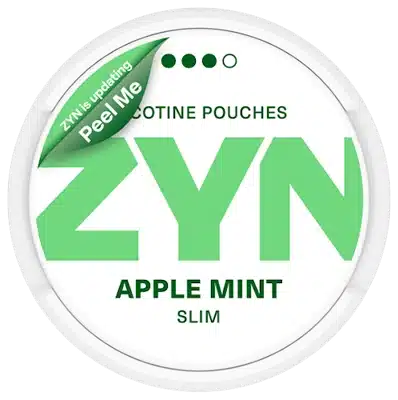
Designed to sit under your upper lip, ZYN delivers nicotine in a discreet, smoke-free, and spit-free way. Its popularity is boosted by a wide flavour range, including best-sellers like Black Cherry ZYN, as well as Apple Mint, Bellini, Lemon Spritz, and Cool Mint 9mg.

Read our guide: What are nicotine pouches

How Does ZYN Work?

When placed under the lip, ZYN slowly releases nicotine, which is absorbed through the oral mucosa (the lining of the mouth). This means there’s no need to chew or spit, making it cleaner than traditional chewing tobacco or moist snus.

Read our guide: Where to buy ZYN in UK

Dry vs Moist Pouches

One of ZYN’s main advantages is its dry pouch design. Dry pouches create less saliva than moist products like FRE or traditional chew. This reduces mess and makes ZYN easier to use in public. Other dry pouch brands such as Velo nicotine pouches also share this benefit, making them popular alternatives.

Read our guide: How long do nicotine pouches last

Read our guide: ZYN vs VELO
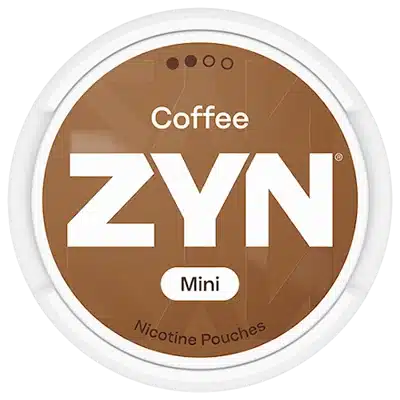


Can You Swallow ZYN Spit?

Is It Safe?

Yes—swallowing saliva while using ZYN is generally safe. The ingredients are food-grade, and while they release nicotine, the trace amounts that mix with saliva aren’t harmful to most healthy adults.

Why Do Some Users Spit?

Some people find the sensation unusual, especially when new to pouches. Others dislike the taste of “ZYN juice”—the flavour that mixes into saliva. For them, spitting occasionally feels more comfortable.

Read our guide: Can you take nicotine pouches on a plane

What Happens If You Swallow a ZYN Pouch?

This is where things get serious. While saliva is safe to swallow, the pouch itself should never be swallowed.

Possible Side Effects

Accidentally swallowing a pouch may cause:

  • Stomach irritation 
  • Nausea 
  • Dizziness 
  • Vomiting 

In more severe cases, especially if multiple pouches are swallowed, it can lead to nicotine poisoning. Symptoms include rapid heartbeat, sweating, and strong nausea.

When to Seek Medical Help

If you swallow a pouch and feel unwell:

  • Drink water immediately. 
  • Monitor your symptoms. 
  • Seek medical advice or contact poison control if things worsen. 

One pouch is unlikely to cause serious harm, but repeated swallowing is dangerous.

Read our guide: Can you reuse nicotine pouches

How to Use ZYN Pouches Correctly

  • Place the pouch under your upper lip. 
  • Keep it in for 20–45 minutes (maximum 60). 
  • Don’t chew, suck, or bite the pouch. 

Read our guide: How to use ZYN

Disposal Tips

When finished, store your used pouch in the catch lid (built into the can) until you can throw it in the bin. Never flush or litter.

Read our guide: Does nicotine help you focus
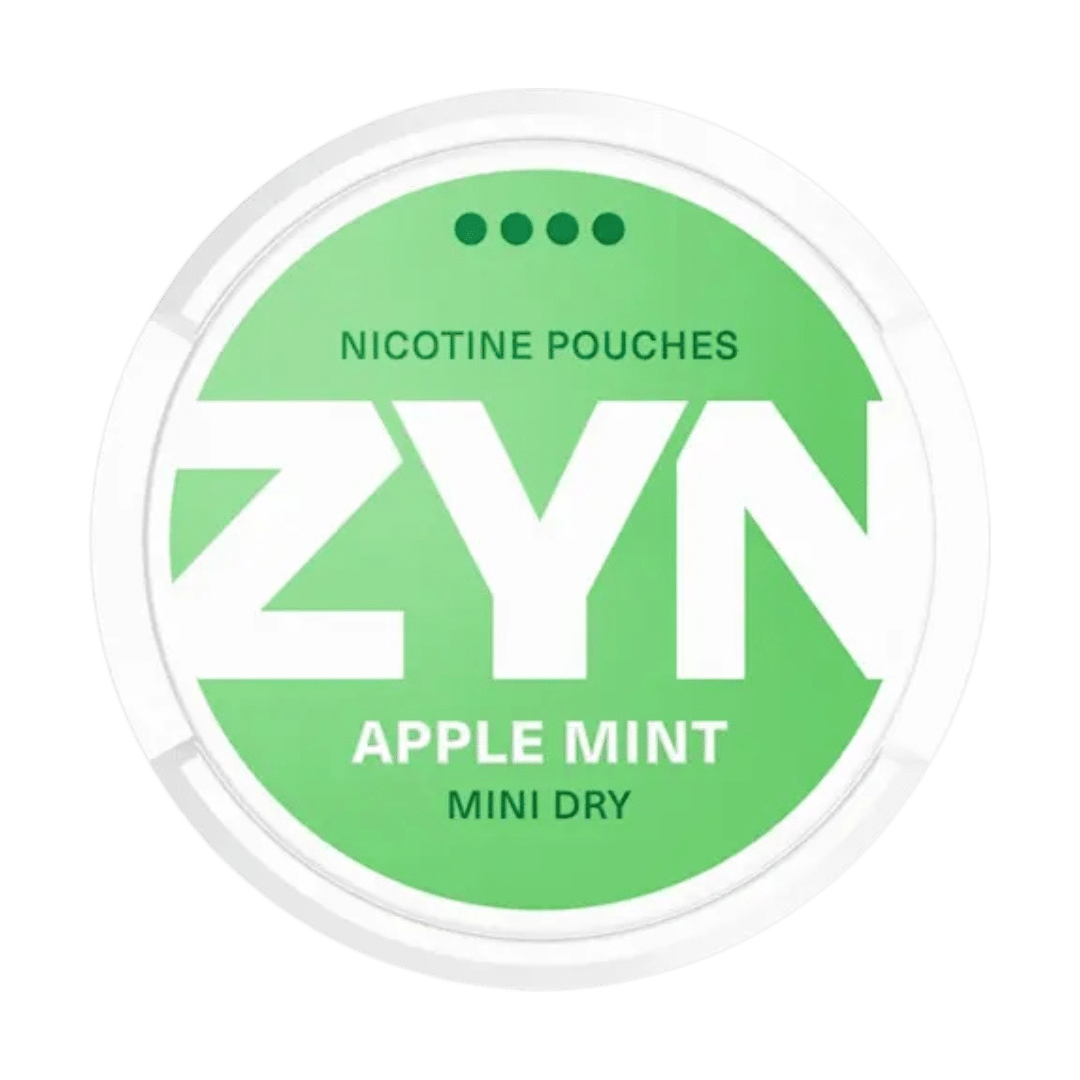
How long does a zyn pouch last

Conclusion – What Happens If You Swallow a ZYN?

Swallowing the saliva that forms while using ZYN is safe. The pouches are designed with food-grade ingredients, and the small amount of nicotine that mixes into saliva does not pose a risk for healthy adults. Some users prefer to spit because of taste or comfort, but whether you swallow or spit is ultimately a matter of preference.

What should never happen is swallowing the pouch itself. Each pouch contains concentrated nicotine and fibres not meant to be digested, and doing so can cause nausea, stomach irritation, dizziness, or in larger amounts, nicotine poisoning. If a pouch is swallowed and symptoms occur, drinking water and seeking medical advice if they worsen is the safest approach.

Correct use is straightforward: place the pouch under your upper lip, leave it for up to an hour depending on your preference, and dispose of it responsibly in a bin once finished. The catch lid on the can makes it easy to store used pouches discreetly until you can throw them away.

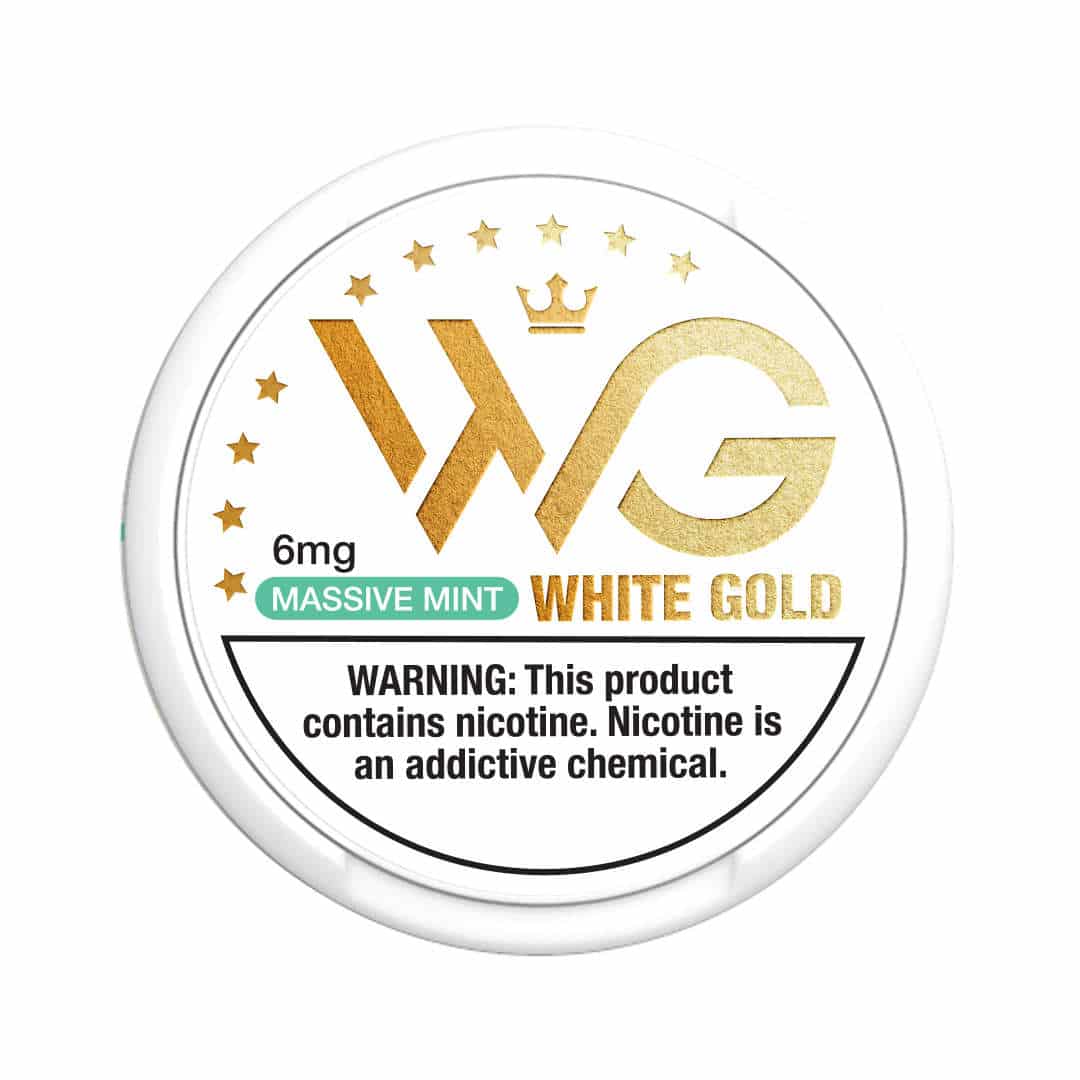
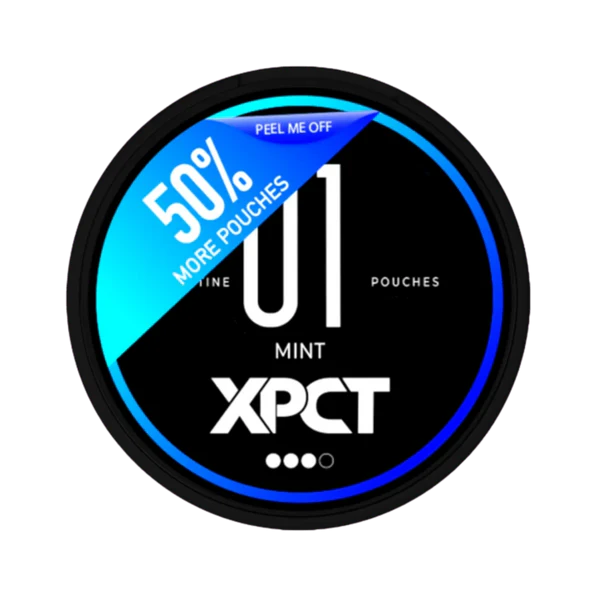
For those looking beyond ZYN, there are plenty of quality alternatives. White Gold, Velo, Pablo, Helwit, and XPCT each offer their own dry pouch experiences with different flavours and strengths, giving users more choice when it comes to finding the perfect fit.

Ultimately, knowing what happens if you swallow a ZYN helps you use nicotine pouches with confidence. Swallowing saliva is safe, swallowing the pouch is not, and with proper use and disposal, pouches remain one of the most discreet and convenient nicotine options available.

ck Cherry ZYN or experimenting with other pouches, understanding what happens if you swallow a ZYN helps you use these products safely and confidently.

How Long Do Nicotine Pouches Last?

Introduction

Ever wondered how long do nicotine pouches last? Nicotine pouches UK are quickly becoming the go-to alternative for smokers and vapers seeking a cleaner, more discreet option. According to Euromonitor via Tobacco Reporter, global sales of nicotine pouches rose from 17.09 billion units in 2022 to an estimated 20.77 billion units in 2023, with total category value rising from USD 8.47 billion to USD 10.29 billion in the same period . This rapid growth reflects increasing consumer interest in tobacco-free nicotine options.

Whether you’re reaching for ZYN, Pablo or White Gold , knowing how long your pouch delivers flavour and nicotine can help you get the most out of every can. In this article, we’ll break down how long nicotine pouches last in your mouth, what affects their shelf life, and how different pouch formats compare.

How long do nicotine pouches last

How Long Do Nicotine Pouches Last?

Typical Usage Time Range (20–60 Minutes Explained)

Most nicotine pouches last between 20 to 60 minutes when used. The sweet spot for most users tends to be around 30 to 45 minutes, especially with well-known brands like ZYN or VELO. After that, the flavour and the nicotine buzz usually begin to fade.

  • Mini pouches -like ZYN Mini Peach or White Gold Massive Mint Mini may last slightly longer thanks to slower nicotine release.
  • Moist pouches might hit quicker but taper off sooner.

Read our guide: Where To Buy ZYN In UK

What Affects How Long a Pouch Lasts?

Several factors determine how long a pouch feels effective:

  • Nicotine Strength: Stronger pouches (6 mg and above) often deliver effects longer than lighter ones.
  • Moisture Level: Dry pouches = slower release = longer use. Moist pouches = quick hit = shorter lifespan.
  • Flavour Type: Mint and menthol tend to last longer than fruity flavours, especially when they include cooling agents.

Read our guide: How long does a ZYN pouch last?

Nicotine Delivery Timeline

Expect the following stages during use:

  • 0–2 minutes: Mild tingling, nicotine starts kicking in.
  • 2–10 minutes: Buzz peaks; flavour is strong.
  • 10–30 minutes: Nicotine effect levels off, but still noticeable.
  • 30–45 minutes: Flavour fades, sensation slows down.
  • 45–60 minutes: Little to no flavour or nicotine release.

How Long Do Nicotine Pouches Last in Your Mouth?

Mini vs Slim vs Large Pouches

  • Mini: Discreet, fast-acting, lasts ~20–30 mins. Great for office or public use.
  • Slim: Balanced comfort and duration. Most popular format. Lasts 30–45 mins.
  • Large: Lasts longest (up to 60 mins), but more visible under the lip.

Read our guide: What Are Nicotine Pouches?

How to Tell When a Pouch Is Done

You’ll know it’s time to toss a pouch when:

  • The flavour is gone.
  • The nicotine buzz fades.
  • The pouch feels soggy or slippery.

Can You Leave a Pouch in Too Long?

Yes. Keeping it in too long can lead to:

  • Gum irritation (especially with mint).
  • Bitter taste.
  • Unpleasant drip if it gets too moist.

Most users find 45 minutes the optimal maximum.

How Long Do Nicotine Pouches Last Once Opened?

Shelf Life vs “Best Before” Dates

  • Most cans carry a “best before” date of ~12 months from production.
  • They don’t “expire” dangerously, but quality (flavour, moisture, buzz) drops over time.
  • Once opened, pouches are best enjoyed within 2–4 weeks for peak performance.

Read our guide: Nicotine Gum VS Pouches

Signs of Freshness vs Staleness

Fresh pouches: Slightly moist, aromatic, deliver a strong buzz.
Stale pouches: Dry, brittle, weak flavour, dull nicotine hit.

How to Store Nicotine Pouches Properly

  • Keep in a cool, dry place.
  • Refrigeration is fine and can extend freshness.
  • Avoid freezing — it ruins texture.
  • Keep the can sealed when not in use.

Read our guide: Can You Reuse Nicotine Pouches?

Brand-Specific Durations

ZYN

ZYN Pouches are consistent and balanced. The Mini versions last 35–45 minutes with a clean buzz. Flavours like Peach and Cool Mint often outlast fruity ones such as Black Cherry.

Read our guide: How To Use ZYN

Read our guide: The Best ZYN Alternatives In The UK

VELO

Slim-format VELO Nicotine pouches usually last 30–45 minutes. Known for smooth flavour release and a wide variety of strengths.

Read our guide: ZYN VS VELO

Pablo

Recognised for higher nicotine content, Pablo Snus pouches tend to deliver longer-lasting effects — often 45–60 minutes — though they can be intense for beginners.

Read our guide: What Is Snus

Siberia

Siberia nicotine pouches are famous for extreme nicotine strength. Duration is typically 45–60 minutes, with strong flavour and a powerful buzz throughout.

Read our Guide: Siberia Nicotine Pouches – What You Need To Know

White Gold

Premium pouches with refined flavour delivery. Expect 30–40 minutes of consistent release, especially with mint-based varieties.

Read our guide:

White Fox

White Fox Nicotine Pouches are popular for bold mint profiles. Slim pouches last 30–45 minutes, with a sharp cooling sensation that lingers.

where to buy zyn uk​

Conclusion

So, how long do nicotine pouches last? The short answer: most last between 30 and 45 minutes, with variations depending on brand, strength, pouch format, moisture, and flavour.

  • Dry mini pouches and mint flavours often last longer.
  • Moist or fruity pouches fade quicker.
  • Shelf life is around 12 months unopened, but for best results, use within a few weeks of opening.

Whether you prefer ZYN, VELO, Pablo, Siberia, White Gold, or White Fox, finding your ideal pouch is about understanding how these factors play together. By matching flavour, strength, and format to your needs, you’ll enjoy a consistent, satisfying nicotine experience every time.


What Are Nicotine Pouches?

Introduction

So, what are nicotine pouches? Over the past decade, nicotine consumption has shifted as more adults seek smoke-free and tobacco-free alternatives. According to Statista, the global nicotine pouch market was valued at USD 4.69 billion in 2022 and is projected to grow steadily, with forecasts predicting continued double-digit growth through 2030. This rapid expansion reflects a wider trend in the UK and globally, where consumers are moving toward discreet and cleaner nicotine options. This article will explain what nicotine pouches are, how they differ from traditional snus, and how they compare to other nicotine delivery systems such as gums and vaping.

What Are Nicotine Pouches

Nicotine pouches are small, pre‑portioned products designed to deliver nicotine through the tissues in your mouth. They consist of powdered nicotine, plant fibres, flavourings and food‑grade fillers. Because they do not contain tobacco leaves, nicotine pouches are not considered carcinogenic in the same way as traditional tobacco products and are therefore treated differently under many regulations. When someone is curious about what is snus, they might stumble upon nicotine pouches by mistake. Snus is a Swedish moist tobacco product made from ground tobacco and used under the lip, whereas nicotine pouches are entirely tobacco‑free. Understanding what is snus versus what are nicotine pouches is critical for consumers seeking a cleaner nicotine experience.

Ingredients & Use

Each nicotine pouch contains a blend of pharmaceutical‑grade nicotine, microcrystalline cellulose or plant fibre to give the pouch structure, and flavourings such as mint or fruit. To use a pouch, you simply insert it between your top lip and gum and leave it there for 15 to 45 minutes. Your body absorbs the nicotine through the mucous membrane in your mouth. High‑dose pouches may deliver more nicotine than a cigarette, which is why careful selection is important. Asking what is snus can be a starting point to learn that snus uses fermented tobacco and releases nicotine along with hundreds of other compounds, whereas pouches provide a cleaner, controlled dose. Understanding this difference is key to distinguishing what is snus from modern nicotine pouches.

what are nicotine pouches

Popularity & Brands

In recent years, the market for nicotine pouches UK has expanded rapidly. These products cater to adults who want to enjoy nicotine without smoke, vapour, or tobacco. Many of the leading brands emphasise discreet use and clean packaging, which appeals strongly to consumers across the UK.

When comparing offerings, a useful question is what is snus, because it helps differentiate tobacco-free pouches from tobacco-based snus. As many people have been starting to ask what are nicotine pouches, highlighting the difference between snus and the brands of nicotine pouches can help consumers make informed choices.

ZYN

ZYN nicotine pouches are among the most recognised globally. Known for clean packaging and a wide range of strengths, they are especially popular with users looking for a balanced, discreet option.

VELO

What are VELO nicotine pouches? – They offer many flavours and strengths, appealing to both new and experienced users. Their variety makes them a go-to choice in the UK market.

Read our guide: ZYN VS VElO

White Gold

White Gold has built a reputation for premium-quality pouches with unique flavour profiles. Its branding often highlights elegance and a more refined pouch experience.

White Fox

White Fox Nicotine Pouches stands out for its strong nicotine content and distinctive mint-focused flavours, making it a choice for users who prefer bold experiences.

XPCT

XPCT nicotine pouches are known for combining innovative flavour blends with comfortable pouch designs. They’ve gained traction in the UK as a fresh alternative.

Pablo

Pablo Nicotine Pouces are often associated with higher nicotine strengths. They cater to experienced users seeking a more intense nicotine experience.

Read our guide: Exploring the Pablo Nicopods


How Do They Differ from Snus?

The primary distinction between nicotine pouches and snus lies in their composition. Snus is a traditional Scandinavian product made from moist, ground tobacco. It is placed under the upper lip in a similar manner to pouches but contains tobacco, salt and flavourings. Asking what is snus leads to an understanding that snus can vary in strength and flavour, but it always includes tobacco, which makes it subject to different regulations in the UK and EU. Nicotine pouches, on the other hand, are tobacco‑free; they deliver nicotine via plant fibres and synthetic or extracted nicotine. This difference in ingredients means that pouches avoid many of the carcinogens found in fermented tobacco. By repeatedly addressing what is snus, this section clarifies that while both products provide oral nicotine, only pouches align with the tobacco‑free trend.

Read our guide: What Is Snus?

Other Nicotine Alternatives

For those exploring nicotine products, it’s useful to compare nicotine pouches with other alternatives. Understanding  helps set the stage for this broader comparison because it contrasts a traditional tobacco product with newer innovations.

Read our guide:

Gums

Nicotine gums are among the most established nicotine replacement products. They deliver a controlled dose of nicotine through chewing. Typically used as a cessation aid, gums allow users to manage cravings gradually. However, they may not offer the same variety of flavours or discreet use as pouches. When someone wonders what is snus, they might also ask how gums differ from snus or pouches; the key is that gums are specifically designed to reduce dependency rather than serve as a recreational product.

Read our guide: Nicotine Gum Vs Pouches

Vaping

Electronic cigarettes and vaping devices vaporise a liquid containing nicotine and flavourings, allowing inhalation through the lungs. Many consumers debate if  nicotine pouches are better than vaping? Nicotine pouches avoid inhalation and therefore do not expose the lungs to vapour and its constituents. According to the Cleveland Clinic, pouches may provide a high nicotine concentration, but they do so through the mouth rather than the respiratory system, potentially lowering the risk of lung irritation.

Read our guide: Nicotine Pouches VS Vaping

Snus

Traditional snus is a moist tobacco product that originated in Sweden. It is made from ground tobacco mixed with water, salt and flavourings, then pasteurised and packed into portioned sachets or loose form. Consumers place snus under the lip, where it releases nicotine. Unlike nicotine pouches, snus contains tobacco and therefore includes many of the chemicals found in smoked tobacco. In the UK, snus is not widely available due to regulatory restrictions, whereas nicotine pouches are legally sold as tobacco‑free products. This difference helps consumers choose between these alternatives.

Read our guide: How To Use Snus

Selecting the Right Product

Choosing the right nicotine product requires considering personal needs, health factors and legal status. For people exploring nicotine pouches UK, brands such as ZYN, VELO, White Gold, White Fox, XPCT and Pablo provide a range of flavours and nicotine strengths. These products serve adults who want a smoke‑free, discreet alternative to smoking or snus. Asking what is snus can guide consumers toward understanding whether they prefer a tobacco‑free option or a traditional product.

Summary – What Are Nicotine Pouches

This article has explored what are nicotine pouches by examining their ingredients, usage, brands and differences from other nicotine alternatives. Nicotine pouches are small, pre‑portioned products that deliver nicotine through the mouth without using tobacco. They appeal to adults seeking discretion and variety, with brands like ZYN, VELO, White Gold, White Fox, XPCT and Pablo leading the market. The distinction between nicotine pouches and snus hinges on tobacco content; snus contains ground tobacco, while pouches do not. We also compared pouches to gums, vaping and snus, highlighting health considerations and regulatory contexts. While pouches may carry less risk of certain carcinogens, they still deliver addictive nicotine, and high‑dose pouches can rival or exceed the nicotine content of cigarettes. Health experts caution that nicotine can harm fetuses and developing brains and may cause stomach pain and tooth discoloration. The market for nicotine pouches UK continues to grow, but consumers should approach these products with awareness of their benefits and limitations.

What Is Snus?

Introduction

Many people are curious about what is snus and how it differs from the tobacco‑free nicotine pouches on the market. Snus is a moist, smokeless tobacco product that originated in Sweden. It is placed under the upper lip and delivers nicotine through the lining of the mouth. The product is so closely tied to Swedish culture that its very name comes from the Swedish word for snuff. Snus is popular in Scandinavia, but it is much less common elsewhere because of legal restrictions; for example, all European Union (EU) countries except Sweden ban the sale of snus With Sweden as the only EU state where snus remains legal, about 96 % of EU countries prohibit its sale. This fact underscores why what is snus is such a common question in markets like the United States and United Kingdom, where people encounter both nicotine pouches and references to snus. This article explains what is snus, how it is made, how it differs from nicotine pouches, and why nicotine pouches might be a better option for many users.

what is snus

Origins and Composition of Snus

A Scandinavian tradition

To answer what is snus, it helps to understand its history. Snus developed in Sweden in the 19th century as a variant of snuff tobacco. Instead of being sniffed, the tobacco is ground, moisturised with water and salt, and then placed under the lip. It comes in loose form, where users shape a portion by hand, or in pre‑packed pouches. These pouches are brownish because they contain actual tobacco. When someone asks what is snus, one answer is that it is a way to consume tobacco without smoking or spitting; saliva is usually swallowed while using snus, making it discreet compared with chewing tobacco. The nicotine releases slowly through the mucous membranes of the mouth, providing a sustained nicotine experience.

Read our guide: How to use snus

Ingredients and flavours

The composition of snus reveals more about what is snus. Snus pouches contain tobacco, nicotine, water, salt and flavourings. The tobacco is pasteurised rather than fermented, which reduces certain harmful nitrosamines found in American dipping tobacco. Flavourings may include bergamot, herbs or fruit. The nicotine content varies but can be high, often ranging from 4 mg to over 20 mg per pouch. Because snus is made from tobacco, it contains all the compounds present in the tobacco leaf, including traces of carcinogens and heavy metals. This is a key distinction when people ask what is snus, since nicotine pouches extract nicotine from tobacco but remove the leaf itself. The presence of tobacco is why snus is regulated more strictly than nicotine pouches in many countries.

Read our guide: Nicotine Gum Vs Pouches

Cultural significance and use

Snus has been part of Swedish daily life for generations. Users place a pinch of loose snus or a pouch under the upper lip and allow the nicotine to seep into the bloodstream. A typical portion lasts 30 to 60 minutes. Because the product does not require spitting, it can be used discreetly in office settings or social gatherings. When people search what is snus, they are often intrigued by its cultural acceptance in Sweden and Norway despite its absence from many other markets. In recent years, some athletes and musicians have also popularised snus usage, contributing to its mystique. Nonetheless, the fact that 26 of the 27 EU countries ban snus highlights concerns about potential health risks.

Snus vs Nicotine Pouches

The most common follow‑up question to what is snus is how it compares with modern nicotine pouches. Both are small fabric pouches placed between the lip and gum, delivering nicotine without smoking. However, there are important differences in composition, regulation and user experience.

Read our guide: The Best ZYN Alternatives In The UK

Tobacco content and composition

The primary difference between snus and nicotine pouches is the presence of tobacco. What is snus? It is made from ground tobacco mixed with salt and water. By contrast, nicotine pouches are tobacco‑free; they contain nicotine derived from tobacco or synthesised in a lab, along with plant fibres, flavourings and sweeteners. The fibres are usually made from eucalyptus or pine. Because nicotine pouches lack tobacco leaf, they are white or off‑white and produce minimal staining of the teeth, whereas snus pouches are brown because of the tobacco. When consumers ask what is snus, it is important to note that snus will always contain tobacco; nicotine pouches will not.

Legal status and availability

Understanding what is snus also involves examining legal restrictions. In the European Union, the sale of snus is banned in all member states except Sweden. The ban was enacted due to concerns about oral cancer and other health risks. In the United States, snus is regulated by the Food and Drug Administration (FDA) but is not banned; however, it is less popular than cigarettes or nicotine pouches. Nicotine pouches, on the other hand, are widely available in many countries because they do not contain tobacco; they are regulated as nicotine products but typically face fewer restrictions. When people search what is snus, they often find that snus is hard to purchase outside Scandinavia, while nicotine pouches from brands like ZYN, VELO, White Gold, White Fox, Helwit and Pablo are sold in convenience stores and online shops. The accessibility of pouches is a major reason they are gaining popularity.

Read our guide: ZYN vs VELO 

Health considerations

Another angle on what is snus is its potential health impact. Both snus and nicotine pouches deliver nicotine, which is addictive and can raise heart rate and blood pressure. However, because snus contains tobacco leaf, it carries additional risks associated with tobacco, such as exposure to carcinogenic nitrosamines and heavy metals. Some studies link long‑term snus use to increased risk of pancreatic and oral cancers, although the evidence is mixed. Nicotine pouches eliminate the tobacco leaf and many associated toxins, so they may pose fewer health risks, but research is still emerging. People who wonder what is snus often ask, “Is snus bad for you?” The safest answer is that any nicotine product carries some risk, but tobacco‑free pouches are generally considered lower risk than snus or cigarettes. Users should consult health professionals and consider quitting nicotine altogether.

Comparing Flavours and User Experience

Nicotine pouches and snus both come in a variety of flavours, but the taste profiles are different due to their compositions. When exploring what is snus, it becomes clear that snus flavours tend to be earthy and robust because of the tobacco; common notes include bergamot, licorice, whisky and juniper. In contrast, nicotine pouches can mimic mint, citrus, berry, coffee and even dessert flavours without the underlying tobacco taste. Brands like ZYN and VELO offer varieties such as Cool Mint, Citrus, Wintergreen and Coffee; Helwit focuses on natural flavours like mint and berry; White Fox and Pablo cater to users seeking stronger nicotine levels and colder sensations. The absence of tobacco allows flavourings to shine in nicotine pouches. This variety attracts former cigarette smokers and people who want to control their nicotine intake without using tobacco. When customers read about what is snus, they may decide to try nicotine pouches for their cleaner taste and discreet use.

Product Examples and Strengths

Learning what is snus often leads consumers to look at specific products. Popular nicotine pouch brands include ZYN, which offers strengths from 3 mg to 6 mg; VELO, with pouches ranging from 2 mg to 17 mg; White Gold and White Fox, which produce strong pouches up to 16 mg; and Helwit, known for sustainable production methods. Pablo is marketed as an extra‑strong nicotine pouch with high nicotine content. These products allow users to choose a level that suits their tolerance. Snus brands, meanwhile, often come in higher strengths: Swedish Match produces snus portions with 8 mg to 22 mg of nicotine per pouch. When people ask what is snus, part of the answer is that it often delivers more nicotine than the typical nicotine pouch, which may make it less suitable for those who prefer milder effects.

Read our guide: Discover Helwit Nic Pouches

Summary

The question what is snus invites a nuanced exploration of smokeless nicotine products. Snus is a moist tobacco product placed under the lip, containing tobacco, nicotine, salt and water. It releases nicotine slowly and has been part of Swedish culture for centuries. However, snus is banned in nearly all EU countries except Sweden, highlighting concerns about health risks. Nicotine pouches, by contrast, are tobacco‑free and rely on plant fibres and flavourings. They offer a wide range of strengths and flavours and are legal in many markets. Understanding what is snus versus a nicotine pouch reveals that the main difference is the presence of tobacco, which affects legal status, health risks and flavour. While snus continues to be used by millions in Scandinavia, nicotine pouches from brands like ZYN, VELO, White Gold, White Fox, Helwit, Pablo, Rogue, ALP and ON provide a tobacco‑free alternative for those seeking nicotine without smoke. Ultimately, knowing what is snus helps consumers make informed choices about their nicotine use and explore products that align with their preferences and health goals.